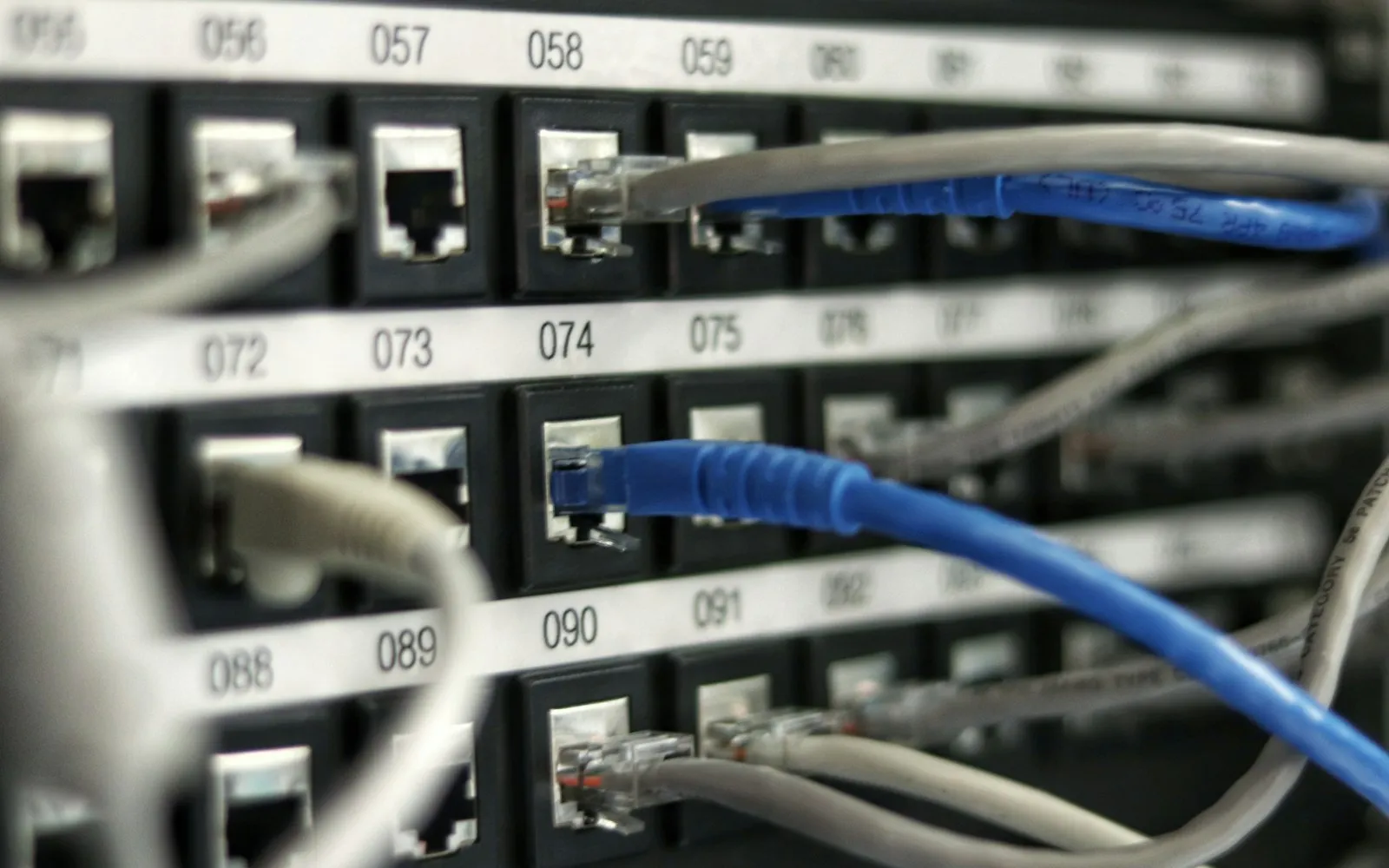


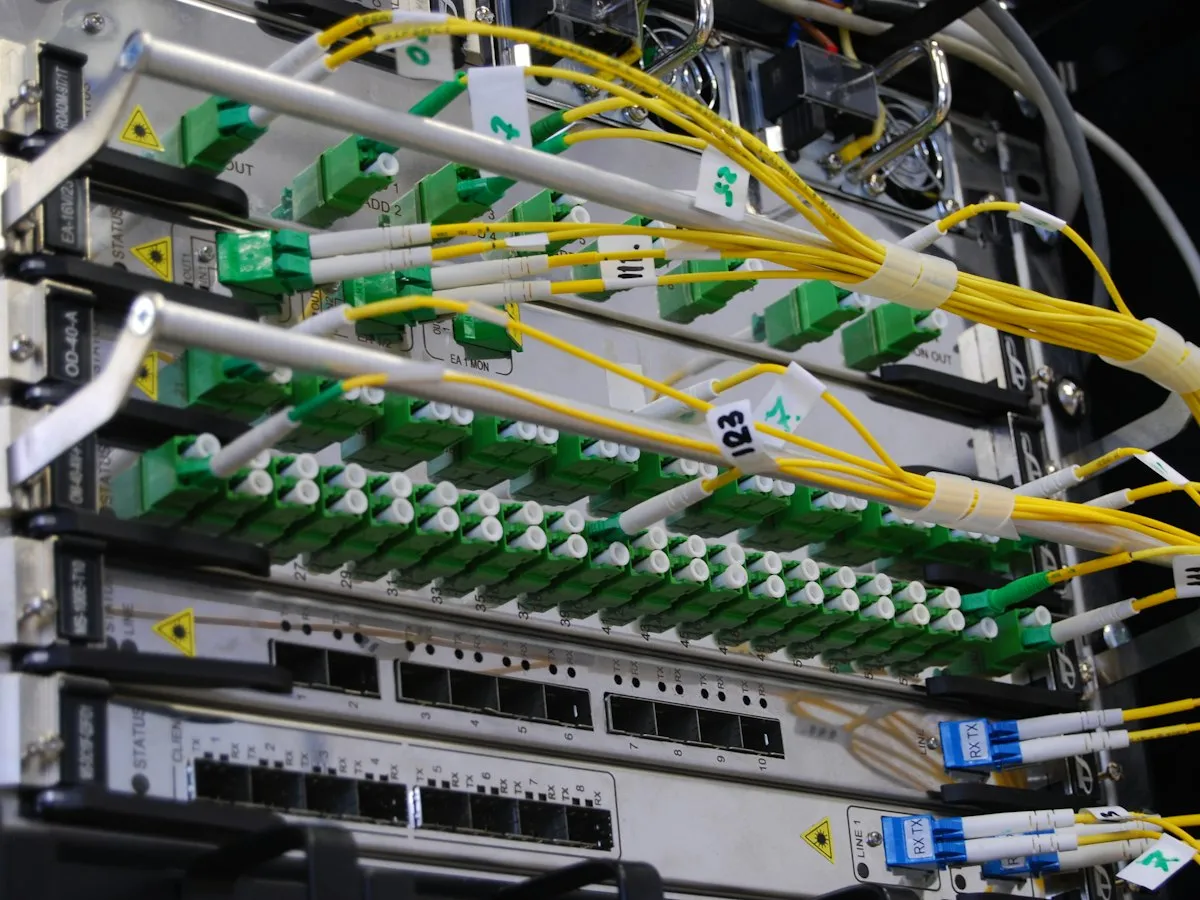
Identify where the connection breaks down
We compare affected and unaffected users, wired and wireless behavior, locations, timing, and the applications involved. A problem that follows one device needs a different investigation from a fault affecting the entire office at the same time.
The agreed review may include the internet handover, firewall, switches, access points, addressing, DNS, remote access, and cabling dependencies. Findings distinguish what has been observed from what still needs testing.
- Intermittent access and connection troubleshooting
- Firewall, switching, and network configuration
- Wi-Fi coverage, capacity, and guest access
- Network segmentation and remote access
- Network diagrams, configuration records, and vendor coordination
Design for the work and the devices
Coverage is only one part of Wi-Fi planning. The layout, construction, device capabilities, expected concurrency, and applications influence the design. An access point placed for convenience may not serve the rooms where people actually work.
Company, guest, and specialist devices may need different access boundaries. We document which systems must communicate and which should remain separate, then test the approved design against representative workflows. Building surveys or specialist cabling can be separately arranged where needed.
Make future troubleshooting easier
The completed work should leave an understandable network map, known administration ownership, and a record of meaningful configuration choices. That helps the business and its support providers make later changes without rediscovering the environment.
Changes to internet service, firewall rules, or network segments are planned around the agreed working window and a recovery approach. A faster speed-test result alone is not the acceptance criterion; reliable access to the required business systems is.