

What the organization was facing
The eight locations were not one bulk rollout. Each arrived as its own opening project, with its own schedule and dependencies, for the same healthcare operator. Once construction ended, the location still needed working connectivity, security, wireless coverage, workstations, printers, and access to shared clinical resources before it could operate.
The low-voltage contractor supplied the terminated cabling and patch panel, and the ISP supplied its connection. The remaining work turned those separate handovers into a complete environment consistent with the organization’s existing locations.
The decision behind the work
Existing clinics used SonicWall firewalls. Although the IT provider generally recommended Meraki, replacing the security platform across the organization would have created a larger redesign the client did not want. The new clinics therefore stayed on SonicWall while using a consistent Ubiquiti switching, Cloud Key, and Wi-Fi standard.
That decision preserved compatibility with the existing network and site-to-site VPN design while making the equipment and deployment process at each new location repeatable.
How the project moved
Coordinate the site dependencies
Worked directly with the director of operations, ISP, and cabling contractor so the internet drop, terminated cables, rack, and opening schedule converged at the right time.
Build and organize the network
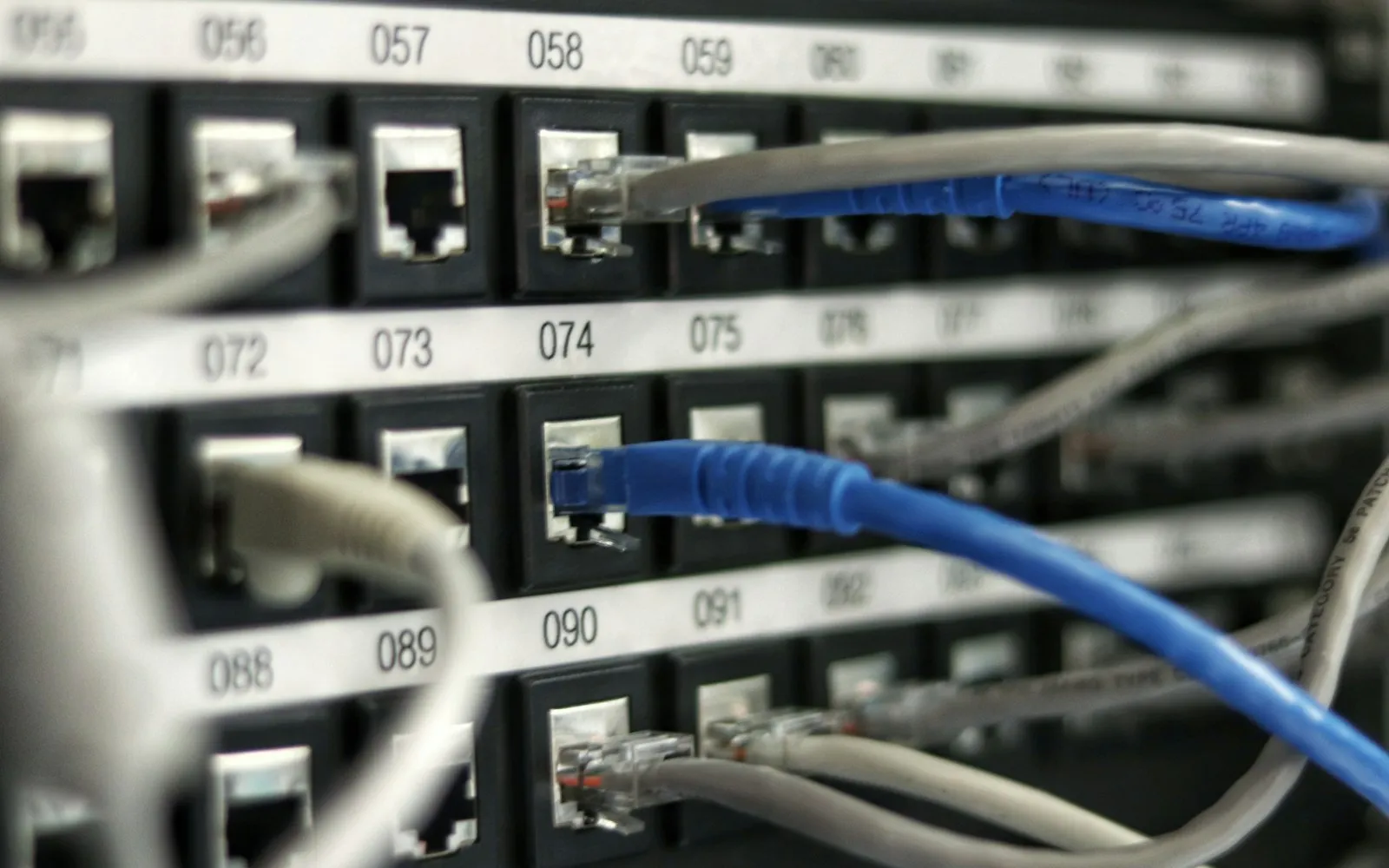
Installed and configured the SonicWall firewall, Ubiquiti switches, Cloud Key, and wireless access points, then completed rack organization, patching, and cable management.
Connect the clinic to shared resources
Configured encrypted site-to-site VPN connectivity for access to centralized resources, including network storage used by clinic and X-ray imaging workflows.
Separate staff and guest access
Configured the production wireless environment and a separate guest Wi-Fi experience with its own access portal.
Prepare the working clinic
Installed and configured workstations, management agents, and printers, then checked the location as an operating environment rather than stopping when the network came online.
How the work was checked
- Confirmed internet, wired, and wireless connectivity after the ISP and cabling handovers.
- Checked site-to-site access to the organization’s shared resources and clinical workflows.
- Verified workstation, printer, staff Wi-Fi, and guest Wi-Fi operation before handover.
What changed
Eight independently scheduled clinics entered operation with the same core network and wireless design. Each location could securely reach the organization’s shared resources without introducing a different firewall platform or forcing a broader infrastructure replacement.
The repeatable deployment process gave the operations director a known path from completed construction to a technology-ready clinic, with an accountable technical lead assembling and validating the full environment.